Supplier Isopropyl Alcohol
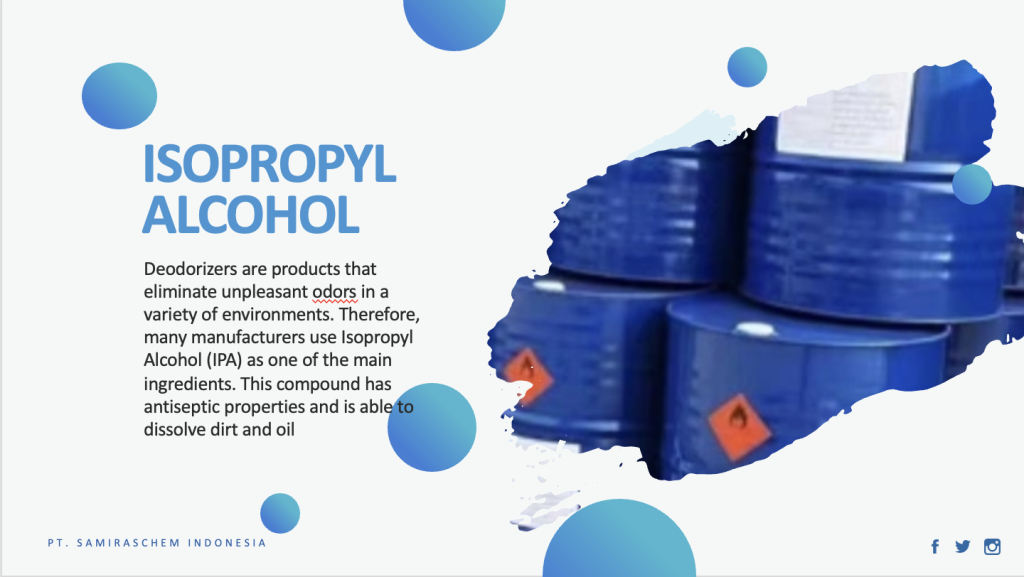
Isopropyl alcohol (IPA) is widely recognized for its diverse applications, ranging from medical disinfectants to industrial solvents. However, one of its lesser-discussed yet crucial roles lies in its effectiveness as a component in deodorizing formulations. Therefore, this article provides an in-depth exploration of isopropyl alcohol in deodorizers, highlighting its mechanisms, benefits, challenges, and supply chain considerations. Furthermore, we will delve into the role of the Supplier Isopropyl Alcohol in ensuring quality and efficiency in deodorizing solutions. Consequently, understanding these aspects helps in making informed choices regarding deodorizing solutions.
Supplier Isopropyl Alcohol in Deodorizers: A Comprehensive Analysis
Isopropyl alcohol, commonly known as IPA or rubbing alcohol, is a colorless, flammable liquid with a strong odor. Moreover, chemically, it is an isomer of propanol and possesses rapid evaporation properties. Because of these characteristics, it is an essential ingredient in various applications, including personal hygiene, cleaning agents, and, notably, deodorizers.
In the realm of deodorization, IPA functions as an active ingredient in eliminating unpleasant odors by dissolving odor-causing compounds and facilitating their evaporation. Unlike some masking agents, IPA neutralizes odors rather than merely covering them. As a result, this makes it an ideal choice for applications where complete odor removal is required.
How Isopropyl Alcohol Works in Deodorizers
The deodorizing mechanism of isopropyl alcohol relies on several factors:
- Solubilization of Odor-Causing Compounds: IPA can dissolve many organic and inorganic substances responsible for foul smells, allowing them to be washed away easily.
- Evaporation Process: Due to its high volatility, IPA evaporates rapidly, carrying dissolved odor molecules along with it. Consequently, this enhances its deodorizing effect.
- Antimicrobial Properties: Many odors arise from bacterial activity. In contrast, isopropyl alcohol disrupts bacterial cell membranes, reducing microbial populations and thereby eliminating odor sources.
- Chemical Neutralization: IPA can alter the molecular structure of certain odor-causing compounds, rendering them odorless. Additionally, this ensures a more thorough deodorization.
- Synergy with Other Ingredients: When used with essential oils, surfactants, or other active components, IPA enhances the overall effectiveness of deodorizing products. Therefore, it is often incorporated into complex formulations.
- A Supplier Isopropyl Alcohol plays a critical role in the supply chain by providing high-quality raw materials for deodorizing solutions.
Applications of Isopropyl Alcohol in Deodorization
Given its efficacy, IPA is incorporated into numerous deodorizing products, including:
- Air Fresheners: Helps disperse aromatic compounds evenly while neutralizing airborne odor molecules.
- Fabric and Upholstery Sprays: IPA ensures quick drying and prevents moisture retention, which could otherwise lead to mildew formation. As a result, these products maintain freshness for longer periods.
- Hand Sanitizers: Apart from disinfection, IPA in sanitizers eliminates unpleasant smells from hands. Therefore, it serves a dual purpose.
- Shoe and Foot Deodorizers: The antimicrobial and quick-drying properties make it ideal for controlling foot odor. Consequently, it is a popular ingredient in foot care products.
- Industrial and Institutional Cleaning Solutions: Used in hospitals, kitchens, and restrooms to maintain hygiene and freshness. Because of its effectiveness, it is widely preferred.
- Pet Odor Neutralizers: Ensures safe removal of pet-related smells without harming animals. Thus, it is a pet-friendly deodorizing solution.
- Therefore, the Supplier Isopropyl Alcohol industry plays a vital role in ensuring consistent, high-quality raw materials that meet the evolving demands of deodorizing applications
Benefits of Using IPA in Deodorizers
The presence of isopropyl alcohol in deodorizing solutions offers several advantages:
- Rapid Action: IPA works almost instantly upon application, making it suitable for immediate odor control. Therefore, it is a convenient choice for consumers.
- Non-Residue Formulation: Unlike some chemical deodorizers, IPA evaporates completely without leaving behind sticky residues. As a result, it enhances user satisfaction.
- Cost-Effectiveness: Readily available and relatively inexpensive, making it an affordable ingredient in deodorizing formulations. Consequently, it is a go-to solution for many manufacturers.
- Broad Spectrum Activity: Effective against a wide range of organic and bacterial odors. Therefore, its application is versatile.
- Compatibility: Easily blends with other components, enhancing product formulation. Furthermore, this flexibility allows for innovation in deodorizing solutions.
Challenges in Using IPA in Deodorizers
Despite its benefits, there are some considerations:
- Flammability: Requires careful handling and proper storage to prevent fire hazards. Therefore, safety measures must be in place.
- Irritation Potential: High concentrations may cause skin and respiratory irritation. Consequently, proper formulation adjustments are necessary.
- Volatile Nature: Quick evaporation means that deodorizing effects might not be long-lasting unless combined with other stabilizers. As a result, product enhancements are often required.
Role of the Supplier Isopropyl Alcohol in Ensuring Quality
Therefore, ensuring purity, compliance with regulatory standards, and reliable supply are key aspects that reputable suppliers must uphold.
- Purity and Certification: A reputable supplier ensures that IPA meets industry standards such as USP, BP, or ACS grades. Consequently, product quality remains uncompromised.
- Consistency in Supply: Steady production and distribution prevent shortages that could disrupt manufacturing. As a result, manufacturers can maintain production schedules.
- Sustainability Considerations: Leading suppliers now offer bio-based or greener alternatives to conventional IPA. Consequently, this supports environmentally conscious practices.
- Packaging and Transportation Safety: Proper packaging minimizes risks associated with IPA’s volatile nature. Therefore, adherence to transportation regulations is essential.
- Regulatory Compliance: Meeting health, safety, and environmental regulations ensures legal and ethical sourcing. Furthermore, compliance enhances brand reputation.
Future Trends in Isopropyl Alcohol-Based Deodorization
The deodorizer market continues to evolve, with trends including:
- Eco-Friendly Formulations: Many manufacturers are shifting towards sustainable sources of IPA. Consequently, green chemistry principles are gaining traction.
- Hybrid Deodorizers: Combining IPA with probiotics or enzymatic agents for enhanced odor elimination. As a result, these products offer superior performance.
- Advanced Fragrance Delivery Systems: Using IPA in conjunction with encapsulated fragrances for prolonged effects. Consequently, long-lasting freshness is achieved.
- Customizable Scents: Consumers now seek deodorizing products with tailored scent profiles. Therefore, personalization is becoming a key trend.
PT. Samiraschem Indonesia is Reliable Supplier Isopropyl alcohol with High Quality Product and Good Price. We are Serving and Delivered Area such Jakarta Bandung Semarang Jogja Surabaya Medan and Batam
Isopropyl alcohol remains a cornerstone ingredient in deodorizing solutions due to its efficacy in odor neutralization, antimicrobial activity, and rapid evaporation. While it presents some challenges, proper handling and formulation can maximize its benefits. Furthermore, as sustainability and innovation continue to shape the market, IPA’s role in deodorization to poise for further enhancement, making it a valuable asset for both manufacturers and consumers alike.
